


Introduction
Let’s be real: we’ve all scrolled through Instagram, seen a stunning villa in Spain or a glass-walled mansion in San Diego, and thought, “I could totally do that.” The dream of owning a high-end vacation rental is intoxicating. You imagine guests sipping local wine on the terrace while you sit back and watch the passive income roll into your bank account.
But then reality hits. You realize that "passive income" often involves frantic 11 PM phone calls about a clogged toilet or finding Cheetos crumbs embedded in your custom velvet couch cushions. Sure, it looks great on paper, but turning a luxury property into a high-ROI machine requires more than just a fancy espresso maker and a "Live, Laugh, Love" sign (please, for the love of all things holy, skip the signs).
If you’re looking to break into the luxury market, whether it’s the beachy vibes of Bolivar Peninsula, the historic charm of Galveston, or the tropical allure of Playa del Carmen, the biggest mistakes happen in the first 90 days. At Born Again Property Management, we’ve seen it all. We know what makes a property a gold mine and what makes it a money pit.
Before you buy a single throw pillow, here is your quick-start guide on what to do first to maximize your ROI.
Body
1. The Math: Luxury Only Pays If the Numbers Work
We’ve all experienced that moment of "falling in love" with a property. You see a fixer-upper with "potential" and suddenly you’re dreaming of renovations. But let's be real, luxury guests aren't paying for potential; they’re paying for perfection. Before you commit, you need to run the numbers like a cold-hearted accountant.
Define Your ROI Target
In the world of standard rentals, a 5-7% return might be fine. In the luxury space, you should be aiming higher. A good ROI is typically around 8–12%, while an excellent ROI hits 15% or more. This is harder to achieve in saturated markets, but in high-demand spots like San Diego or Spain, it’s the gold standard.
The ROI Formula to Live By
- Total Investment: This isn't just the purchase price. It’s closing costs + renovations + luxury furniture (which isn't cheap) + permits + licensing.
- Annual Net Income: Take your gross rental income and subtract everything. Utilities, 5-star cleaning services, preventative maintenance, insurance, and those management fees that keep your sanity intact.
- The Calculation: (Annual Net Income ÷ Total Investment) × 100.
Do this first: Pull realistic nightly rates for similar luxury homes in your target market. If the deal only works if you have 95% occupancy at peak-season rates, walk away. You need a buffer for the slow months when the microwave becomes your guest's best friend because they're staying in for a Netflix marathon during a rainy week.

2. Validate the Market (Don’t Just Follow the Vibe)
A beautifully designed home in a market with no demand is just an expensive hobby. We love the Bolivar Peninsula, but if you’re building a corporate retreat center where people only want family beach shacks, you’re going to have a bad time.
Check These Before You Commit:
- Regulations: This is the big one. Short-term rental rules in places like Galveston or Playa del Carmen can change overnight. Check zoning and HOA rules before you sign.
- Who is your guest? Are you courting families, digital nomads, or high-flying executives? Your niche dictates your design. A bachelor pad in San Diego looks very different from a family villa in Spain.
- Seasonality: High peak seasons are great, but what happens in the "shoulder" months? You want a market that has some level of year-round appeal.
Do this first: Find 10–20 "comps" (comparable properties). Look at their calendars. Are they actually booked, or are they just sitting there with high prices and zero reviews?
3. Build a Revenue Strategy (Yield Management is Key)
Top performers in the luxury space don't just set a price and forget it. They think like boutique hotels. If you’re charging $1,000 a night, you can’t have the same price on a random Tuesday in February as you do on the Fourth of July.
Dynamic Pricing is Non-Negotiable
You need to raise rates for holidays, local festivals, and big sporting events. Conversely, you need to be smart about gaps. A three-day gap in your calendar is lost revenue. Use strategic last-minute discounts to fill those holes.
Do this first: Choose a dynamic pricing tool or, better yet, partner with a management team like us at Born Again Property Management. We use real-time data to ensure you’re always priced perfectly for the market.
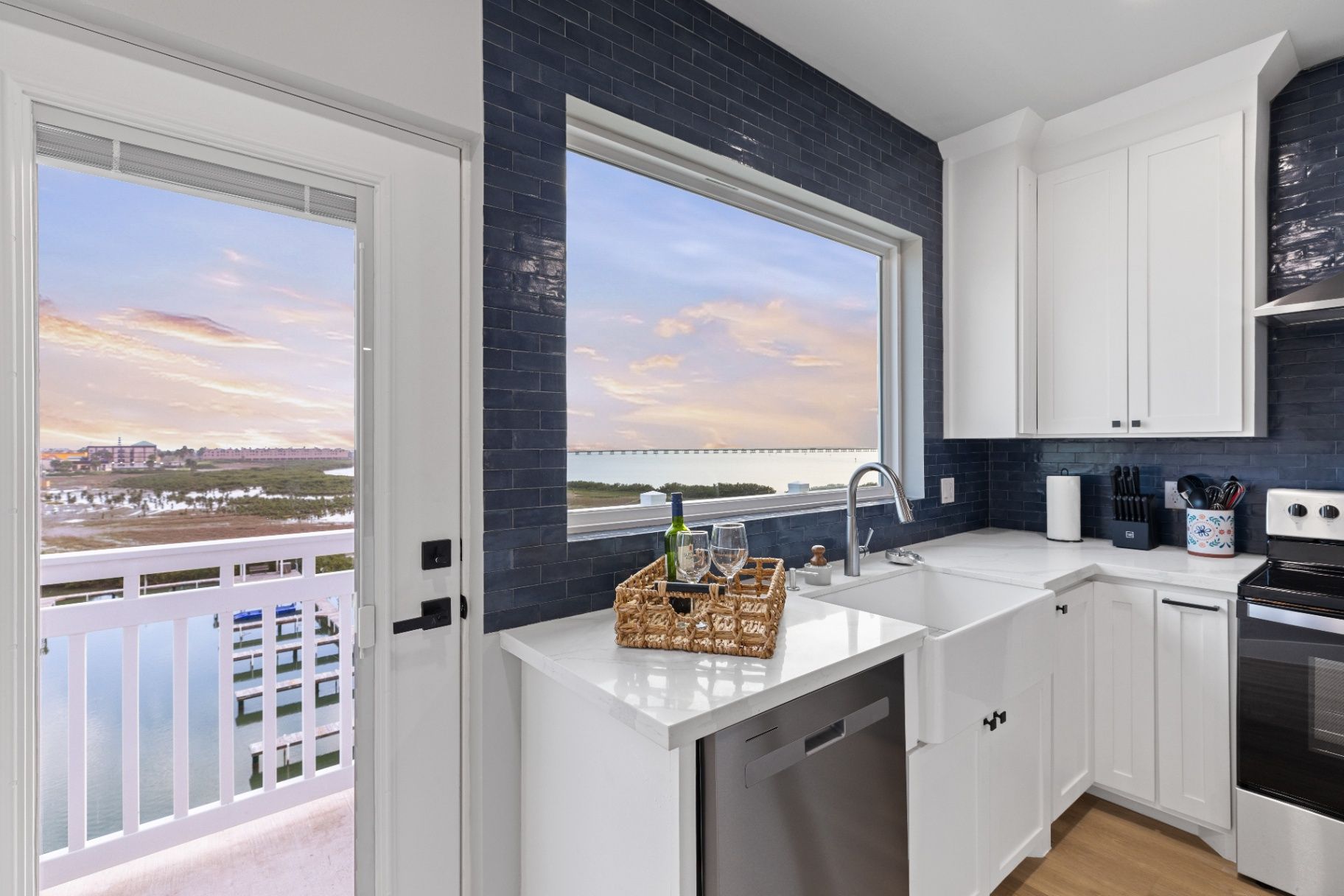
4. Prioritize High-Impact Upgrades
Sure, it looks great to have a designer rug that costs more than a used car, but will it actually increase your nightly rate? Probably not. You need to focus on upgrades that guests actually care about.
- The Gourmet Kitchen: Luxury guests often travel in groups. They want a kitchen that can handle a private chef or a big family brunch. Think high-end appliances and a farmhouse sink (just like the one in our image above).
- The Spa Experience: We’re talking rainfall showerheads, soaking tubs, and plush towels that don't feel like sandpaper.
- The Outdoor Oasis: In places like Spain or San Diego, the backyard is the living room. An outdoor kitchen, a fire pit, and a pristine pool are the features that allow you to tack an extra $200 onto your nightly rate.

5. Decide on Operations (DIY vs. Professional)
This is where the "imperfect" side of vacation rentals comes out. Things break. Guests lose keys. Someone decides to have a "small gathering" that turns into a 50-person rager.
If you’re self-managing, you are the plumber, the concierge, and the security guard. For a high-end property, guests expect hotel-style service. If the AC goes out in Playa del Carmen and it takes you two days to fix it, you aren't just getting a bad review; you’re giving a massive refund.
Professional Management delivers:
- 24/7 Guest Support: So you can actually sleep.
- Vetted Cleaning Crews: Because "clean enough" isn't clean enough for a $5,000-a-week rental.
- Preventative Maintenance: Catching the leak before it ruins the hardwood floors.
Do this first: Be honest with yourself. Do you want a second job, or do you want an investment? If it’s the latter, find a full-service manager who specializes in luxury.
6. Launch-Ready Marketing
Your first 10 reviews will set the trajectory for your property. If you launch with grainy iPhone photos and a vague description, you’re leaving money on the table.
Non-Negotiables:
- Professional Photography: Including "golden hour" shots.
- Compelling Copy: Lead with the experience. Don't just say "3 bedrooms." Say "Waking up to the sound of the waves in your private coastal sanctuary."
- Branding: Give your property a name. "The Azure Villa" sounds much more expensive than "House near beach."
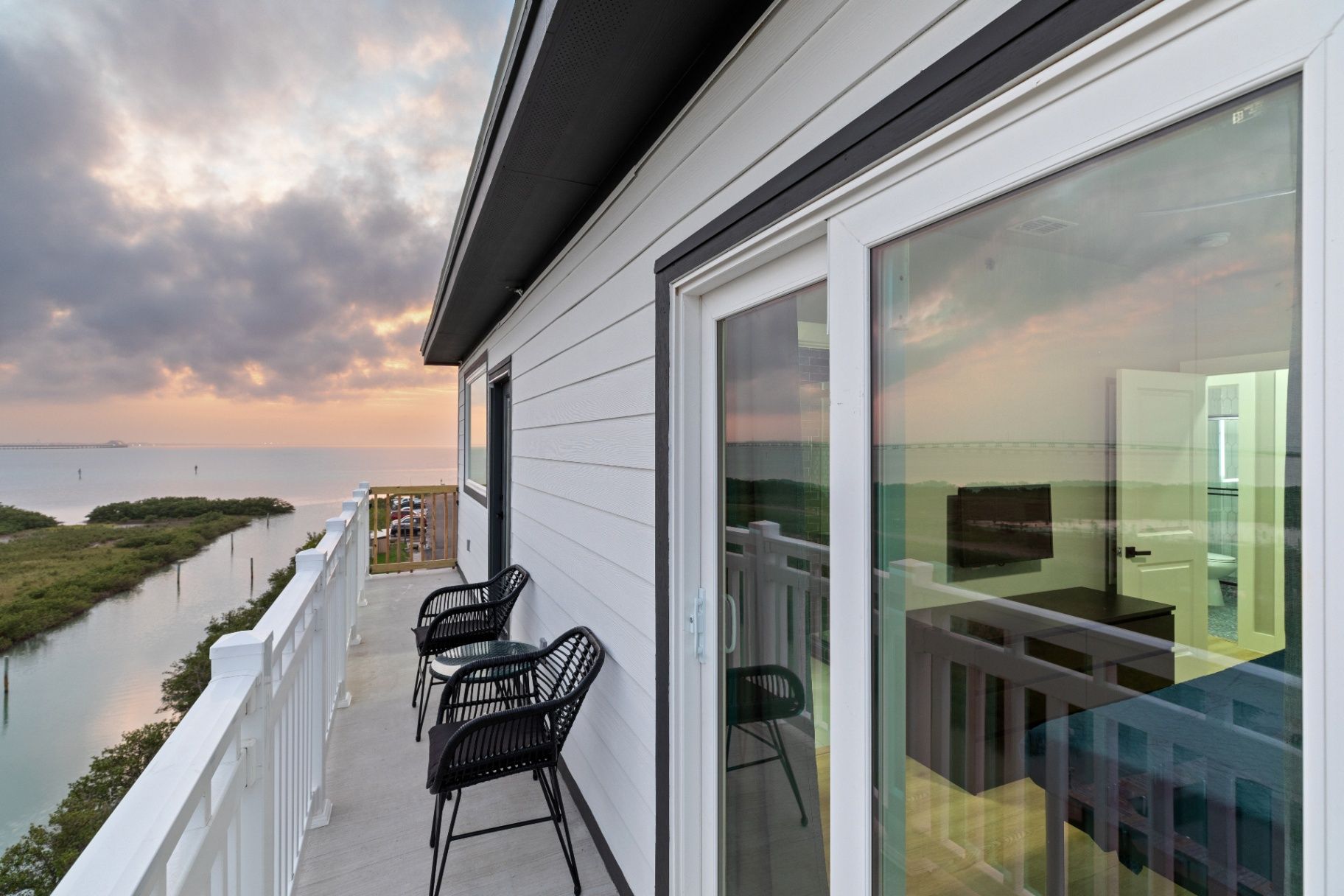
7. Your 90-Day Quick-Start Checklist
- Weeks 1-2: Run the math. Validate the market. Don't buy until the ROI looks solid even at 60% occupancy.
- Weeks 3-6: Execute high-impact upgrades. Focus on the kitchen, the baths, and the outdoor space.
- Weeks 7-10: Set up your systems. Install smart locks, hire your cleaning team, and set up your dynamic pricing.
- Weeks 11-12: Get professional photos and launch! Start with "introductory" pricing to get those first 5-star reviews in the bag.
Conclusion
Stepping into the world of luxury vacation rentals is a wild, rewarding, and sometimes messy journey. It’s not always going to be perfect: you'll deal with the occasional broken glass or a guest who can't figure out how to use the smart TV: but the financial rewards and the pride of owning a world-class property make it all worthwhile.
At Born Again Property Management, we’re here to take the "messy" out of the equation so you can focus on the "rewarding" part. Whether you're looking at a beachfront gem in Galveston or a sunny retreat in Spain, we’ve got the expertise to maximize your ROI from day one.
Are you thinking about buying your first luxury rental, or do you already have one that's underperforming? What's the one thing holding you back from jumping in? Let's chat in the comments or reach out to us for a custom ROI plan!